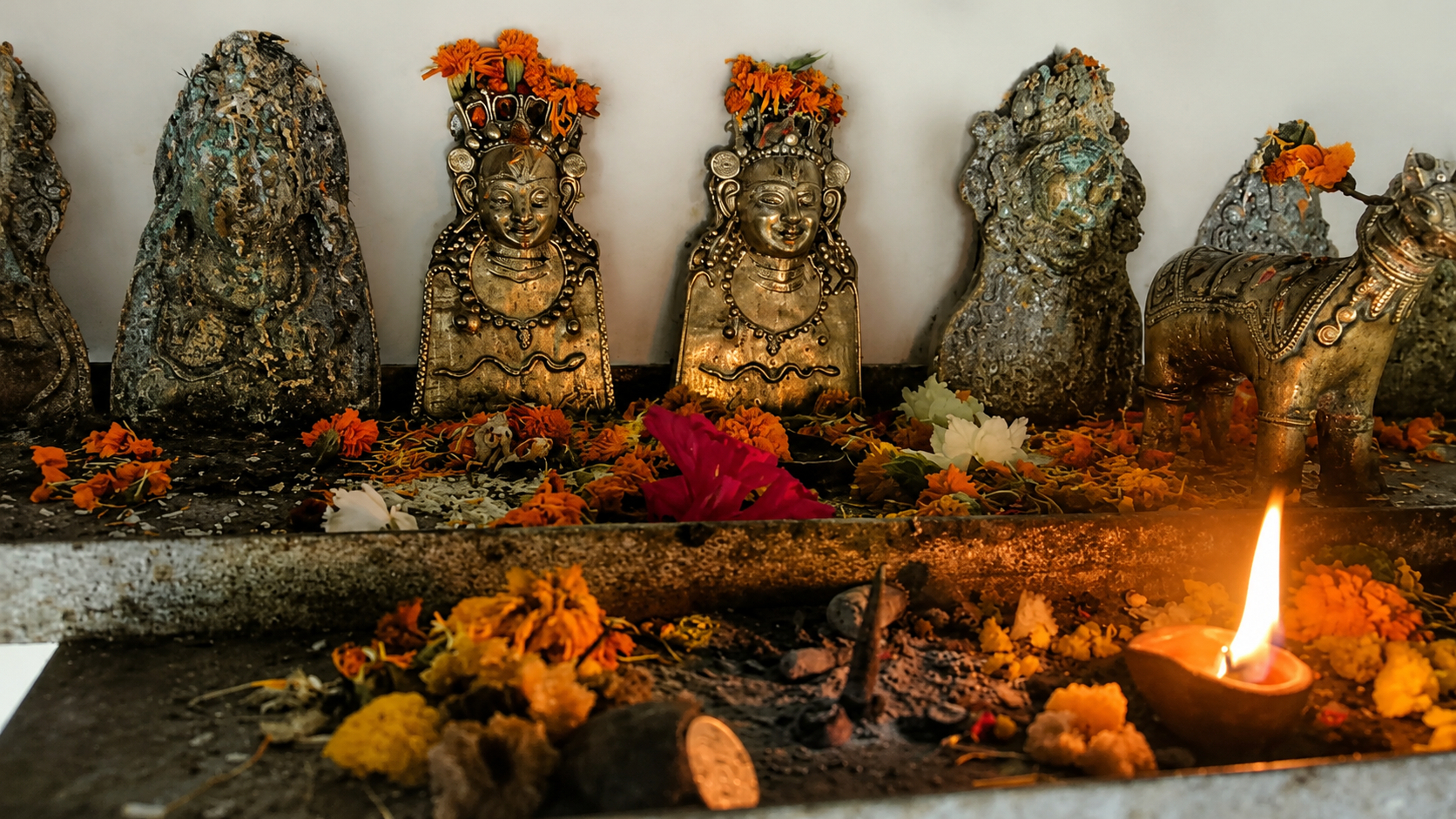
Temple stone carvings at Bhureshwar Mahadev

The Temple Overview

A Sacred Legacy Carved in Time

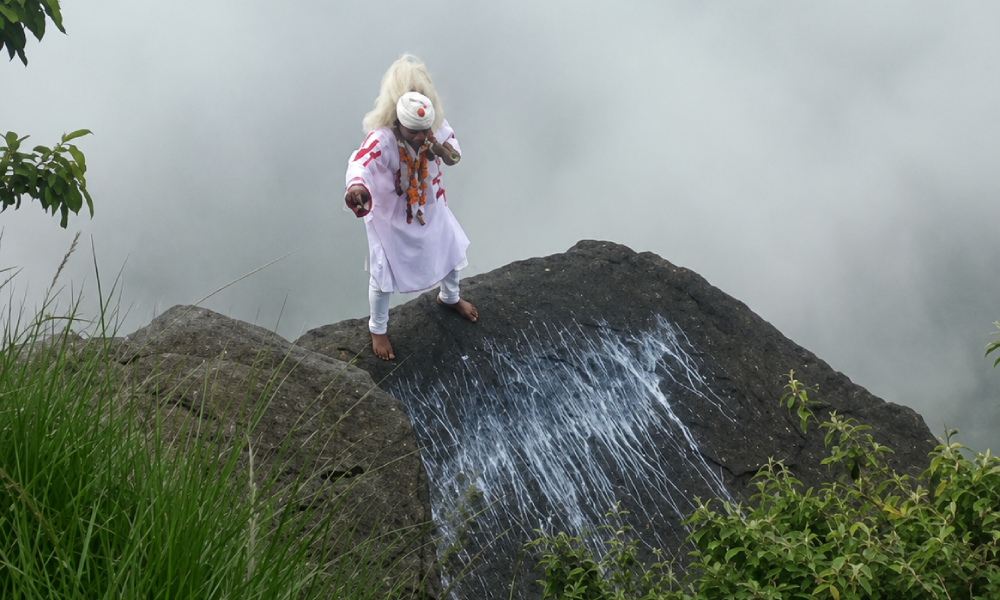
The Bhureshwar Mahadev Temple is home to a self-manifested (Svayambhu) Shiva Lingam, naturally enshrined deep within the mountain rock. According to ancient lore, Lord Shiva and Goddess Parvati witnessed the great Mahabharata war from this very peak. Beyond its profound mythological significance, the shrine remains a vibrant center of Sirmauri culture, celebrated for its deeply spiritual rituals, such as the midnight divine leap on the sacred 'Tandav Shila' during the Dev Gyas festival.

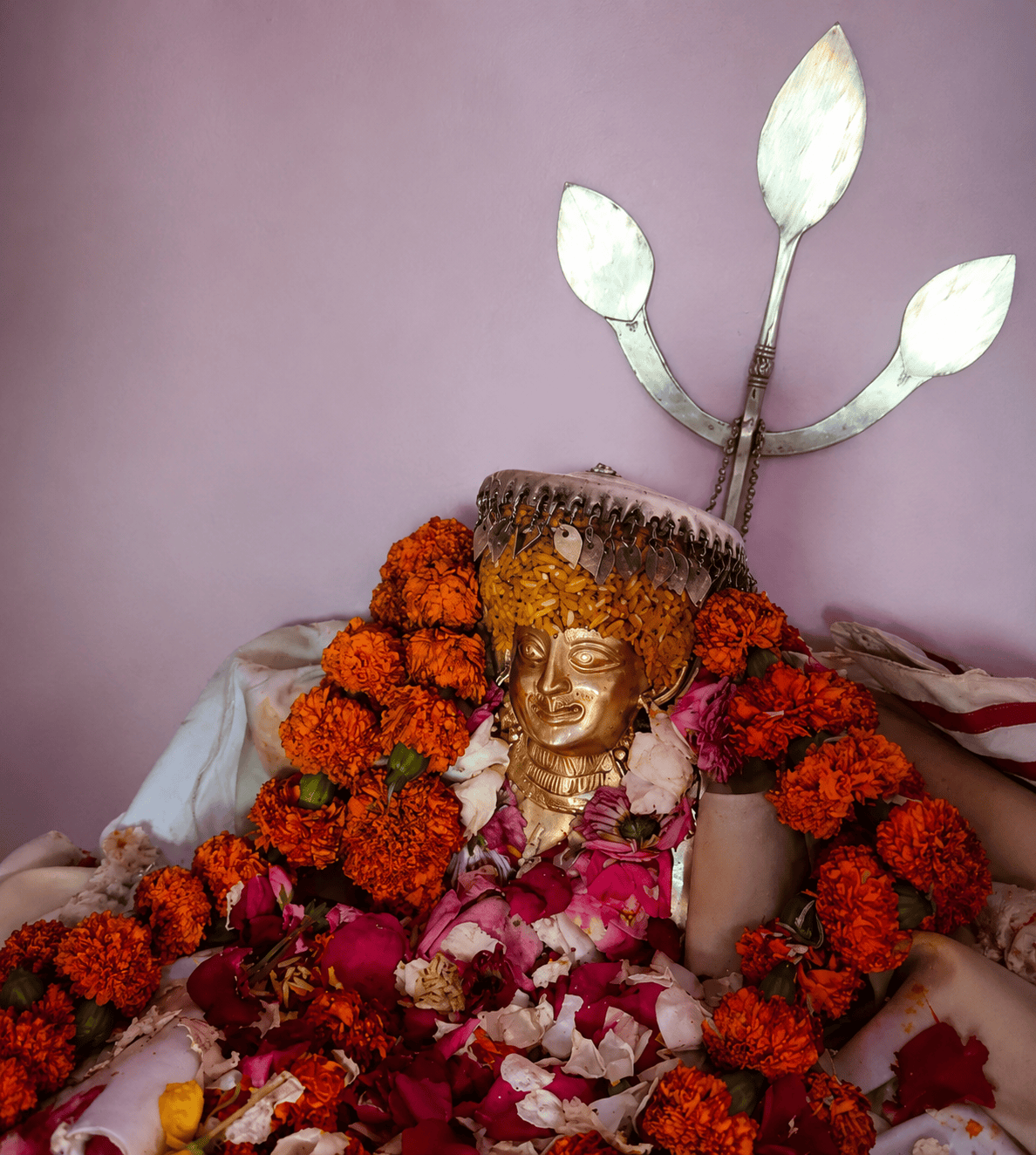
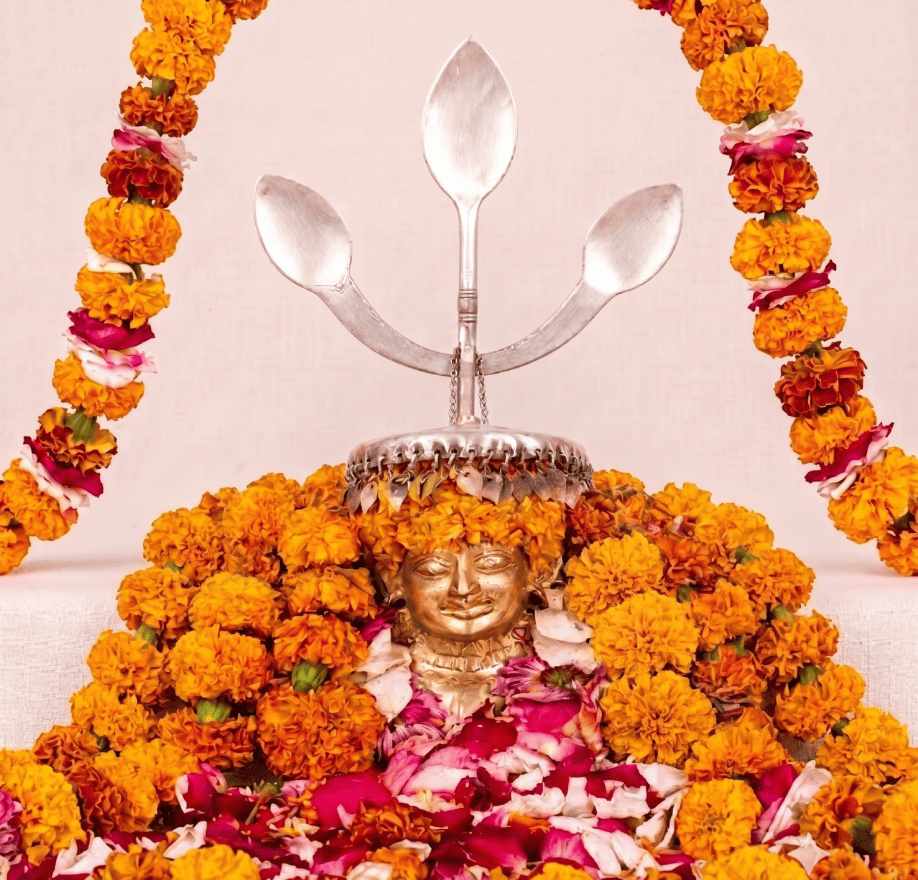
For centuries, the temple's sanctity has been fiercely protected by the Muafiidar Pujari dynasty. These traditional priests were granted special royal patronage by the Maharajas of Sirmaur to ensure the uninterrupted daily worship (dhup-deep) of the deity. Despite historical upheavals and invasions, sacred artifacts such as the ancient silver trident (Trishul), umbrella (Chatra), and fly-whisk (Chawar) were safely preserved and are still used in worship today. Today, the temple continues to guide devotees, bridging an ancient Vedic past with a living, breathing faith.

History

History of Bhureshwar Mahadev

From Vedic remembrance and epic tradition on Kwagdhar to sanads, priestly parampara, and today’s living festivals—a documented journey you can explore milestone by milestone.

  1. Vedic remembrance tradition

    Bhurishring in the Rigveda

    Ṛgveda 1.154.6 speaks of bhūriśṛṅgā—the “many-horned” sacred landscape. Sirmauri research and priestly tradition connect this remembrance to Bhureshwar Mahadev on Kwagdhar, linking the hill shrine to one of the oldest layers of Shiva worship in the region.

  2. Epic tradition tradition

    Shiva–Parvati witness the Mahabharata

    Jan shruti and the katha at the temple entrance hold that from Kwagdhar’s heights Lord Shiva and Goddess Parvati watched the war at Kurukshetra. In that moment a swayambhu linga is said to have manifested within the mountain which still honoured today before drums are played and devotees offer prayer.

  3. Ancient Sirmaur recorded

    A hill overlooking sacred kingdoms

    Historical writing on Sirmaur places this landscape among the ancient Kuru and Matsya regions, with the Giri and Tons as traditional boundaries. The Kalsi rock edict of Ashoka and later accounts of Hiuen Tsang remind us that these hills have long sat on routes of power, pilgrimage, and faith - not a recent shrine alone.

  4. c. 1095 CE tradition

    Dhak Prakash & the founding of Rajban

    Sirmouri legend tells of a queen who reached Rajban and gave birth under a great Dhak (palash) tree, sheltered by a sage who lived among lions. The child was named Dhak Prakash - progenitor of the Dhakiya / Palashiya line of Sirmour kings. Rajban became an early capital, tying the region’s royal memory to the same hills that later honoured Bhureshwar as kul devta.

  5. 11th century tradition

    Fall of the old Sirmour capital

    Tradition and regional history record that the once-prosperous Sirmour capital, with much of the royal household, was destroyed in the 11th century - many accounts attribute the catastrophe to a devastating flood of the Giri river. The event reshaped where power and pilgrimage centred in Sirmaur, even as local shrines and devta seats endured in the hills.

  6. Sirmour riyasat recorded

    Royal patronage & the ₹12 muafi

    Moved by kar-seva at the Tandav Shila above the gorge, Maharaj Brahmaprakash of Sirmour granted state protection to the shrine. A ₹12 annual muafi from the treasury was fixed for dhoop-deep and murammat; the Pujarli priest received a patta and the titles Mohatmim and Muafidar—beginning formal state recognition of the seat.

  7. 1767 CE recorded

    Gorkha invasion & what was saved

    When Gorkha forces looted the region, gold and silver murtis and a silver palki were taken from the mountain shrine. Muafidar priest Padha Ram moved the original chhatra, chanvar, silver trishul, nagada, dhol, and other ritual regalia to Pujarli - preserving the living symbols of the devta when the hill temple could not be guarded.

  8. c. 1768 recorded

    Deity guardianship at Pujarli

    With the hill exposed to unrest, the hereditary priest line began keeping the deity at the ancestral home in Pujarli (Pajeli) - the “village of priests.” That shift deepened the bond between the Polia parivar and daily seva, and explains why silver heirlooms, ancient instruments, and festival regalia are still cared for in the priestly household today.

  9. 1855–1920s recorded

    Padharam, Budharam & Bhuriyaram

    Three generations anchored modern memory of the shrine: Padharam Pujari (1855–1900), Budharam (1900–1920), and Bhuriyaram—born 1860, who served for decades and became the first hereditary priest formally recognised in settlement testimony. Their names appear in witness statements that still guide how the Muafidar line is understood.

  10. 1876–1877 recorded

    Misl Hakiyat & temple reconstruction

    Land records for Moja Kathad document the shrine on temple land. When walls and roof collapsed, the structure was rebuilt and a new stone jalhari was set around the linga. Padharam Pujari served as Muafidar through this period - 45 years of uninterrupted kar at a moment when the building itself had to be renewed.

  11. Panwa Bhoj · Kwagdhar recorded

    Temple seat in revenue geography

    Settlement and revenue records place Mandir Bhureshwar within Panwa Bhoj Dharti Bajiri on Kwagdhar hill, with villages such as Tikkari Pujarli and Kathad in the same administrative orbit. Fehrist Muafiyat lists and later misl entries confirm the shrine as a named, protected devta site of the former Sirmour state.

  12. 1932 CE (VS 1989) recorded

    Sirmour State sanad

    On 19 Āṣāṛh Vikram Samvat 1989 the Collector of Nahan, B.L. Kichloo, issued a formal sanad regarding Mandir Devta Bhureshwar and the Pujarli priest which confirming state recognition of the shrine and its custodian in Tehsil Pachhad. The document remains a cornerstone of verified temple history.

  13. c. 1940 recorded

    Pujasthali at Pujarli

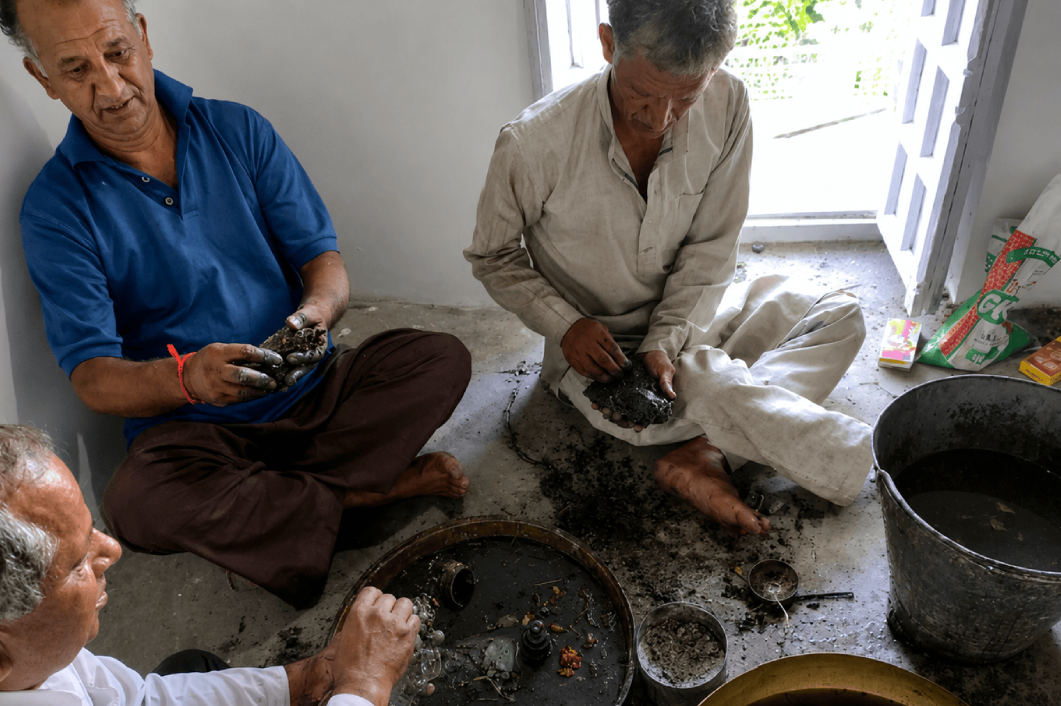
    Bhuriyaram Muafidar completed the Pujasthali in Pujarli - a permanent worship place for the devta when not on Kwagdhar. Gyas and post-Diwali dev-snana traditions, the overnight Sheshnag fire for sacred chhu ash, and later building works all grew from this rooted seat in the priestly village.

  14. c. 1955 recorded

    Kardar department room built

    Around 1955, Smt. Bataso Devi (wife of late Shri Chatar Singh Mehta) funded construction of the Kardar department room at a cost of ₹300 adding practical infrastructure for the kardars and ritual officers who support the devta’s festivals and village khels.

  15. Mid-20th century recorded

    Temple gumbad (dome) constructed

    A major building phase saw the temple gumbad (dome) raised and work remembered in the living memory of kardars such as Rajendra Dutt Sharma Nahu, who served during construction. The dome crowned decades of seva at Pujarli and marked a visible renewal of the devta’s earthly seat.

  16. 1956 recorded

    Succession dispute resolved

    After late Bhuriyaram ji, Shri Harisaran filed suit to be recognised as Bahetmam Muafidar Pujari. The District Magistrate of Sirmour asked for proof of hereditary claim; when none was furnished, the case was dismissed. Tulsiram ji was upheld as heir to the shila tradition, and clearing the way for the 1959 revenue appointment.

  17. 28 Dec 1959 recorded

    Deputy Commissioner appoints Tulsiram

    After the passing of Bhuriyaram, the Deputy Commissioner of Sirmour appointed Shri Tulsiram of Takkari Pajerli as Mohatmim (manager) of Mandir Bhureshwar Mahadev (Bhurishring), with orders to enter the appointment in revenue records and confirming the outcome of the 1956 dispute in favour of the Polia line.

  18. 22 Mar 2006 recorded

    Collector recognises Dr. Manoj Sharma

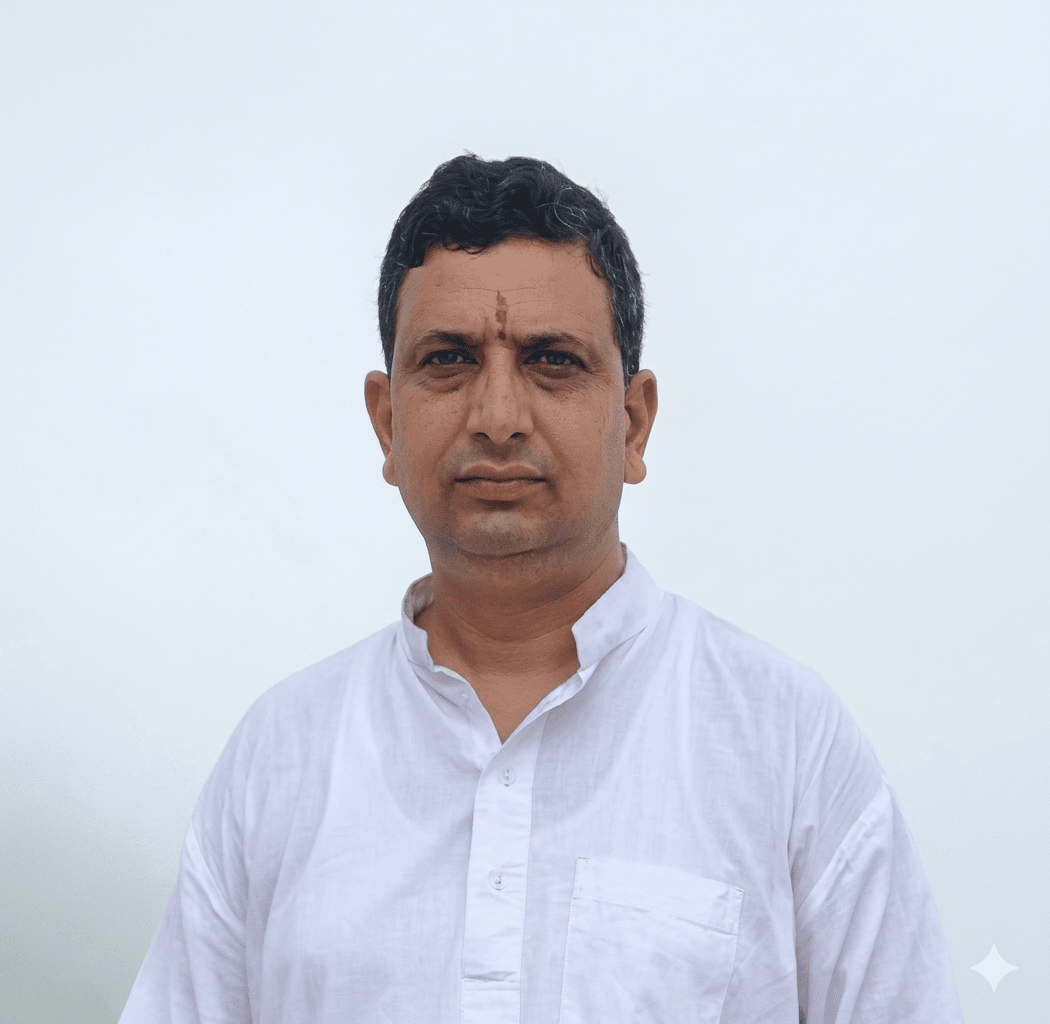
    Collector Rajendra Singh Negi presented the official priest appointment to Dr. Manoj Sharma of the Polia parivar, continuing the Muafidar parampara into the present generation. The ₹12 muafi grant was maintained for dhoop-deep and puja-paath on Kwagdhar while full temple operations were formalised under district administration.

  19. 2023 recorded

    Published research unites the record

    Dr. Manoj Sharma’s Sirmaur Janpad ke Lok Devta Bhurishring/Bhureshwar Mahadev (Nandi Prakashan) brought Vedas, Puranas, misl extracts, sanads, photographs, and jan shruti into one scholarly volume giving to the devotees and researchers a single verified reference for the deity’s history, festivals, and priestly genealogy.

  20. Annual · ongoing living heritage

    Dev Utsav, milk path & seven stones

    Each year after Diwali the Dev Utsav renews the mountain seat. Unlike many Himachali devtas carried in palanquins, Bhureshwar’s power enters the priest, who walks the steep Kwagdhar path in ceremonial dress and offering raw milk at seven sacred stones before the eighth at the temple threshold. Drums must sound before devotees pray to Bhole Nath.

  21. 2026 living heritage

    Heritage committee & official archive

    The Bhureshwar Mahadev History and Heritage Preservation Committee now guides this official website, scanning sanads, protecting silver tumbadi and ritual stones, and documenting routes from Pujarli to Kwagdhar for future generations. New milestones will be added here as major events unfold.

Message Photo 1

On Daily Worship

"Dhup-deep and puja-path are performed according to the devaling vidhan whether the deity rests on the mountain or in the priestly home. This daily continuity is the quiet spine of Bhureshwar’s living tradition."

– Muafidar Priesthood, Pujarli

Message Photo 1

On Dev Utsav

"After Diwali the Muafidar climbs Kwagdhar in ceremonial dress. The devta does not ride in a palanquin—power enters the hereditary priest who walks the forest path from Pujarli. That ascent binds every village of Pachhad to the kul devta on the heights."

– Polia Parampara

Message Photo 1

On Sacred Regalia

"When Gorkha forces looted Kwagdhar in 1767, our ancestors carried the silver trishul, chhatra, chanvar, and festival drums to Pujarli. These are not museum pieces—they are still required when worship begins."

– Hereditary Custodians, Pujarli

Message Photo 1

On the Hill Shrine

"The swayambhu Bhu Linga remains in the hill cave while the deity’s kar is performed through the possessed priest. Whether seva is offered on Kwagdhar or at Pujasthali, every offering ultimately returns to this sacred stone."

– Bhureshwar Mahadev Mandir

Rituals & Traditions

Rituals Preserved Through Generations

Bhureshwar is honoured through the possessed priest of Pujarli—not a murti carried in a palanquin. After Diwali the Muafidar climbs Kwagdhar for Dev Utsav; Dev Snan, Dev Shayani, Gyas, and ratri jagran bind the Polia parampara and village khels to Sirmaur’s living devta tradition.

View All Rituals
Ritual Image
Dev Gyas & Dev Shayani

The Midnight Leap on Dev Shila

During the nights of Dev Gyas and Dev Shayani, the deity embodies the priest who takes a miraculous, perilous leap onto a rock over a 6,800-foot gorge in pitch darkness to bless the devotees.

Read more
Ritual Image
Daily Shrine Kar

Devling Vidhan & Daily Worship

The worship of the main deity is strictly governed by 'Devling Vidhan' (ancient protocols), complemented by the daily 'Kar' (dhup-deep and prayers) continuously performed by the hereditary priests for generations.

Read more
Ritual Image
Ashvin Shukla Ashtami

Dev Snan After Diwali

Conducted shortly after Diwali, the 'Dev Snan' is a vital purification ritual where the ancient idols and silver ornaments of Bhureshwar Mahadev are ceremonially bathed in sacred water, symbolizing profound spiritual renewal and purity.

Read more
Artifact Image
Dawn of Creation

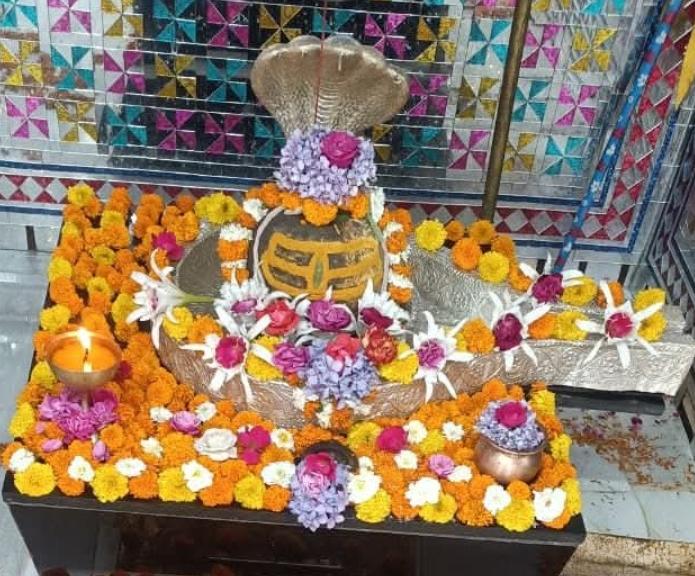
Swayambhu Bhu Linga, Kwagdhar

The spiritual heart of the temple is the Swayambhu (self-manifested) Bhu Linga, a primeval black stone situated 25 to 30 feet deep within the Kwagdhar mountain peak. Existing since the dawn of creation and uncrafted by human hands, it is believed to hold the divine shadow of Lord Shiva, who assumed a divine form here to witness the Mahabharata war.

Read more
Artifact Image
Pre-1767 Era

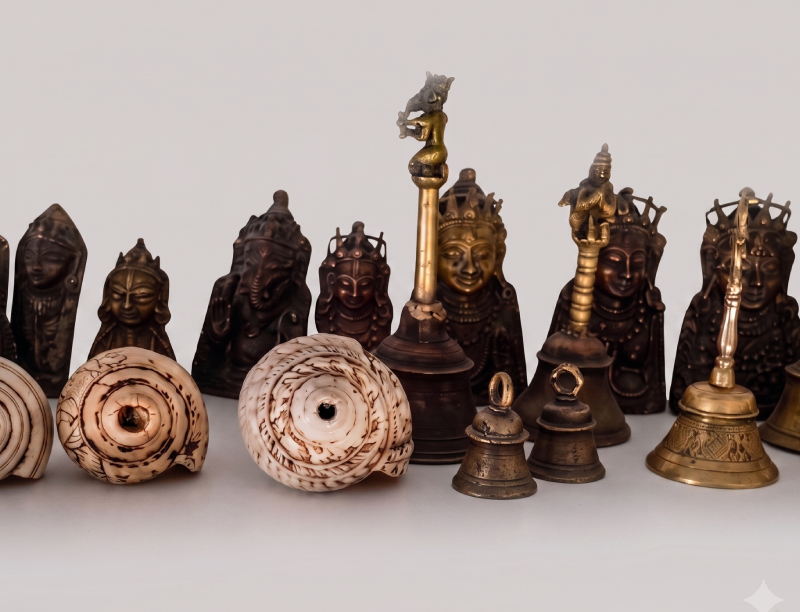
Ancient Metal Idols, Shankh and Ghantiyan

The sacred conches (Shankh) and bells (Ghantiyan) are an integral part of the temple's collection of ancient artifacts. They were secretly safeguarded by the priests to protect them from the Gorkha invaders. The survival of these unique relics is entirely credited to the foresight and profound devotion of the priests.

Read more

Artifacts & History

Real Artifacts and Historical Evidence

When Gorkha forces looted Kwagdhar in 1767, Muafidar Padha Ram carried the silver trishul, chhatra, chanvar, and festival drums to Pujarli—regalia still used when the devta walks today. The swayambhu Bhu Linga remains in the hill cave while sanads, misl records, and priestly archives document Sirmaur’s kul devta for researchers and devotees.

Explore All Artifacts

PLAN YOUR VISIT

Two Sacred Paths to Kwagdhar

Bhureshwar Mahadev awaits on the heights of Kwagdhar—reach the shrine by road for comfort, or by trek for the timeless pilgrim journey through Sirmaur’s valleys.

Route 01

Journey by Road

Comfortable for families & first-time visitors

Drive into the Sirmaur hills through Pachhad toward Kwagdhar—the gentlest way to reach the deity’s mountain seat.

  • 1
    Reach Pachhad region Via Nahan from Solan, Paonta Sahib, or Shimla side on Himachal roads.
  • 2
    Head to Kwagdhar Follow village roads and local signboards toward the temple approach.
  • 3
    Final walk to shrine Park safely and complete a short respectful walk to the mandir.
Flexible duration All ages Cool heights

Check monsoon and winter road conditions before travel. Carry warm layers—Kwagdhar is a Sheetasthan.

Route 02

Journey by Trek

The pilgrim path through forest & valley

Walk the ancient trail from Pujarli (Pajeli) through Kwagdhar valley—the same mountain way once travelled by hereditary priests for daily seva.

  • 1
    Start at Pujarli Begin with a local guide or experienced devotee from the ancestral priest village.
  • 2
    Valley ascent Forested paths, streams, and wide Himalayan views on the way to Kwagdhar.
  • 3
    Temple darshan Arrive with time for puja and rest; plan return before nightfall.
Half–full day Moderate Forest trail

Sturdy shoes, rain gear, and a group are recommended. Honour forest paths and temple timings.

Location

Bhureshwar Mahadev Temple, Kwagdhar, Sirmaur, H.P.

Temple Timings

Temple Open at Sunrise till Sunset

Photography

Photography allowed in designated areas only.

Visitor Guidelines

Please maintain silence and respect the sanctity of the place.